
The Ultimate Guide to Buying a Used Boat in Australia
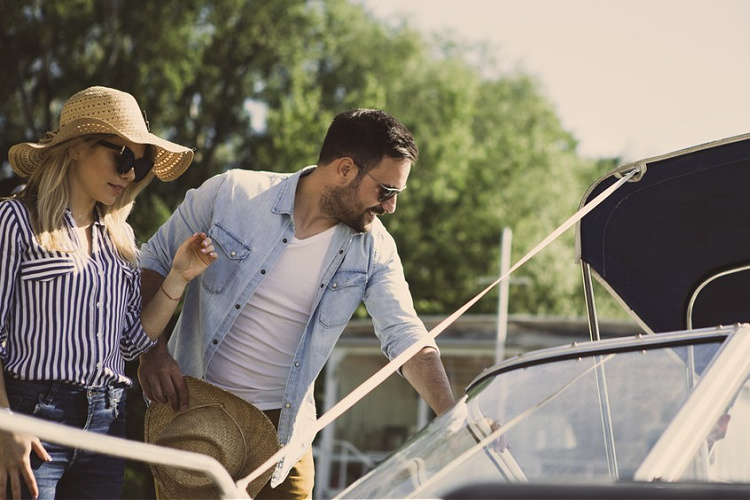
Whether you’re looking to cruise the coastline, fish in remote spots, or just enjoy some time on the water. Buying a second-hand boat in Australia can be a great way to get into boating. Without the hefty price tag of a brand-new model. With a vast selection available from dealerships, private sellers, and online marketplaces. The Australian second-hand boat market offers plenty of opportunities for first-time buyers and seasoned sailors alike. But before you make that purchase, here’s everything you need to know to ensure you get the best deal.
Decide What Type of Boat You Need
Before diving into the second-hand market, it’s crucial to first determine the type of boat that best suits your specific needs. For instance, do you want a small fishing boat, a luxury cruiser, or perhaps a multi-purpose vessel for water sports and leisure? Additionally, consider how you plan to use the boat and the types of waters you’ll be navigating. Australia, for example, offers a wide variety of boating environments, ranging from calm inland lakes to rugged coastal regions. Therefore, by understanding your primary use and the conditions you’ll encounter, you’ll be better equipped to narrow down your options and make a more informed decision.
Know Your Budget
First, set a clear budget before starting your search for a used boat. While buying second-hand is generally more affordable than purchasing new boats. Keep in mind that prices can vary significantly depending on various factors, such as the brand, size, condition, age, and any included accessories. In addition to the initial purchase price, be sure to factor in extra costs, including registration, insurance, ongoing maintenance, and storage fees. Furthermore, it’s wise to allocate funds for potential upgrades or repairs, as older boats may require more attention to keep them in top condition.
Where to Buy a Second-Hand Boat
In Australia, there are several places to purchase second-hand boats:
Boat Dealerships: Many dealerships offer used boats, often with a level of inspection and warranty for added peace of mind. This can be a good option if you want a more formal purchasing experience and some form of after-sales service. (Check out our closest boat dealer to you)
Online Marketplaces: Websites like Yacht and Boat Sales, Gumtree and Facebook Marketplace are popular platforms for buying and selling second-hand boats. These platforms often feature a wide range of boats, allowing you to compare prices and features from different sellers. However, be cautious when buying from private sellers – always arrange for a boat inspection and try to meet in person.
Boat Shows and Auctions: Boat shows are an excellent opportunity to browse second-hand vessels and even score a bargain at auctions. Attending these events allows you to see multiple boats in one location, ask questions directly to sellers, and often negotiate deals in person.
How to Buy a Used Boat: Step-by-Step Process
Buying a used boat, in fact, involves much more than simply picking a model and agreeing on a price. Instead, it requires careful consideration of several factors, including the boat’s condition, history, and your long-term needs. Moreover, there are numerous steps to follow, such as inspecting the boat, negotiating the price, and finalising paperwork. Therefore, it’s essential to approach the process with thorough research and attention to detail to ensure a wise investment. Here’s a step-by-step guide to ensure you’re getting the right boat for you:
Research & Shortlist Boats: Start by researching the types of boats that meet your needs. Once you’ve narrowed down your options, create a shortlist of boats that match your criteria.
Inspect the Boat: Whether buying from a boat broker or a private seller, always inspect the boat carefully (see next section for a detailed inspection checklist). If you’re unsure about certain aspects, don’t hesitate to hire a marine surveyor to assess the boat’s condition.
Ask the Right Questions: If you’re dealing with a boat broker, asking the right questions will help you gather key information. We’ll go over that in the next section.
Arrange a Sea Trial: After completing the inspection, request a test drive or sea trial to directly assess how the boat performs on the water. This is one of the most critical steps in the buying process, as it can reveal hidden issues that aren’t visible on land.
Review the Paperwork: Ensure all ownership documents, including the boat’s registration and maintenance records, are in order. This is particularly important for verifying the boat’s legal standing and history.
Negotiate the Price: If everything checks out and you’re happy with the boat, negotiate the price with the seller. Be prepared to discuss any minor issues discovered during the inspection that might affect the price.
Finalise the Deal: Once you’ve agreed on the price, finalise the deal by signing a purchase agreement, transferring the registration, and arranging payment. Ensure the sale is legitimate and secure.
Questions to Ask Your Boat Broker
When buying a used boat through a broker, it’s essential to ask the right questions to ensure you’re making a sound investment. Here are the top questions you should ask:
What is the history of the boat?
Ask for details about the boat’s past owners, how often it was used, and if there have been any significant repairs or accidents. This will give you insight into the boat’s condition and potential risks.
Why is the boat being sold?
Understanding why the boat is on the market can provide valuable context. If, for example, the seller is upgrading to a newer model or moving away. It might suggest that the boat is still in good condition. On the other hand, if the boat has been neglected or is being sold quickly, this could potentially signal underlying issues. Therefore, it’s important to consider the seller’s reasons for selling in order to assess whether the boat is a reliable purchase or might require future attention.
Has the boat had any major repairs or modifications?
Knowing about any major repairs can help you assess the boat’s future longevity. Ask about the condition of the engine, hull, and any changes made to the boat. As modifications can affect its value and performance.
Can I see the maintenance records?
Regular maintenance is key to keeping a boat in top shape. A broker should be able to provide you with records showing the boat has been well-maintained, which can reassure you that it’s in good working order.
How old is the boat, and what is its expected lifespan?
The age of a boat, for instance, can significantly affect its overall condition and value. While older boats, in general, might require more maintenance due to wear and tear, newer boats, on the other hand, are likely to have fewer issues. Moreover, a reputable boat broker should be able to provide you with crucial details, such as the model year, as well as an estimate of how long the boat is likely to last. Therefore, considering the age of the boat will help you make a more informed decision about its long-term viability.
What is included in the sale?
Clarify whether the sale includes essential equipment such as safety gear, life jackets, anchors, or trailers. If you’re planning on using the boat immediately, these items may be crucial to the deal.
Can I have the boat inspected by a marine surveyor?
Always request a pre-purchase inspection. A reputable broker should have no issue with this request. A marine surveyor will give you a professional evaluation of the boat’s condition, helping you make an informed decision.
Is there a warranty or return policy?
While most used boats are sold ‘as-is,’ some boat brokers, however, may offer limited warranties or guarantees. Therefore, be sure to inquire about any available protection, especially in case any issues arise after the purchase.
What is the asking price, and how flexible is it?
Understand the asking price and if there is any room for negotiation. Be prepared to discuss the boat’s condition and any defects or repairs needed to make a reasonable offer.
Inspecting the Boat: What to Look For
When buying a second-hand boat, a thorough inspection is essential to ensure you’re getting a quality vessel. Here are the main things to check:
Hull Condition: Inspect the hull for cracks, dents, or signs of damage. Look for any repairs that may indicate prior accidents or mishandling.
Engine and Mechanical Systems: Check the engine for signs of wear or rust, and make sure it starts easily. If you’re not familiar with boat engines, consider hiring a marine mechanic to assess the condition of the engine and other mechanical systems.
Electronics and Electrical Systems: Ensure all electronics, including lights, depth sounders, and GPS units, are in working order. Faulty electrical systems can be expensive to fix.
Deck and Interior: Check the deck for any soft spots or signs of rot. Examine the upholstery and interior for any tears, stains, or mold. A well-maintained boat should have a clean, functional interior.
Trailer Condition: If the boat comes with a trailer, check its condition as well. Look for rust, wear on the tyres, and check that the trailer is roadworthy.
Legal Considerations and Paperwork
In Australia, boats need to be registered, and the seller is required to provide proof of ownership. Make sure the boat has a valid registration certificate and that there are no outstanding debts or fines tied to it. You’ll also need to transfer the registration into your name, which can usually be done online with the relevant state or territory authority.
Ensure you receive all relevant documents, including the owner’s manual, maintenance records, and proof of insurance. Furthermore, if you’re buying from a private seller, it’s highly recommended to request a written sales agreement. This agreement should clearly outline the price, terms of the sale, and any specific conditions to avoid any misunderstandings later on
Boat Insurance
Once you’ve purchased your second-hand boat, it’s crucial not to forget about arranging insurance. Boat insurance is essential as it helps protect your investment from potential damage, theft, or accidents. To ensure you get the best deal, make sure to shop around and compare coverage options that best suit your needs. Additionally, if you’re concerned about costly repairs in the future, consider opting for comprehensive insurance, as it can offer more extensive protection in the long run.
Ongoing Maintenance and Care
Owning a second-hand boat comes with the responsibility of regular maintenance. Be prepared to invest in cleaning, repairs, and seasonal servicing. Regular upkeep will ensure your boat stays in good working condition and extends its lifespan, saving you money on costly repairs down the road.
Buying a second-hand boat in Australia can be a rewarding experience. If you take the time to do your research and approach the process with care. By deciding on the right type of boat, setting a budget, inspecting the boat thoroughly, asking the right questions to your broker, and understanding the legal and maintenance responsibilities, you’ll be well on your way to enjoying endless hours on the water.
RELATED ARTICLES

New Ocean Yachts Charts A Course For Success

Win one of our amazing new Mercury 150hp FourStroke outboards
